






Gwen Stefani Maga Truth Revealed That Fans Never Expected
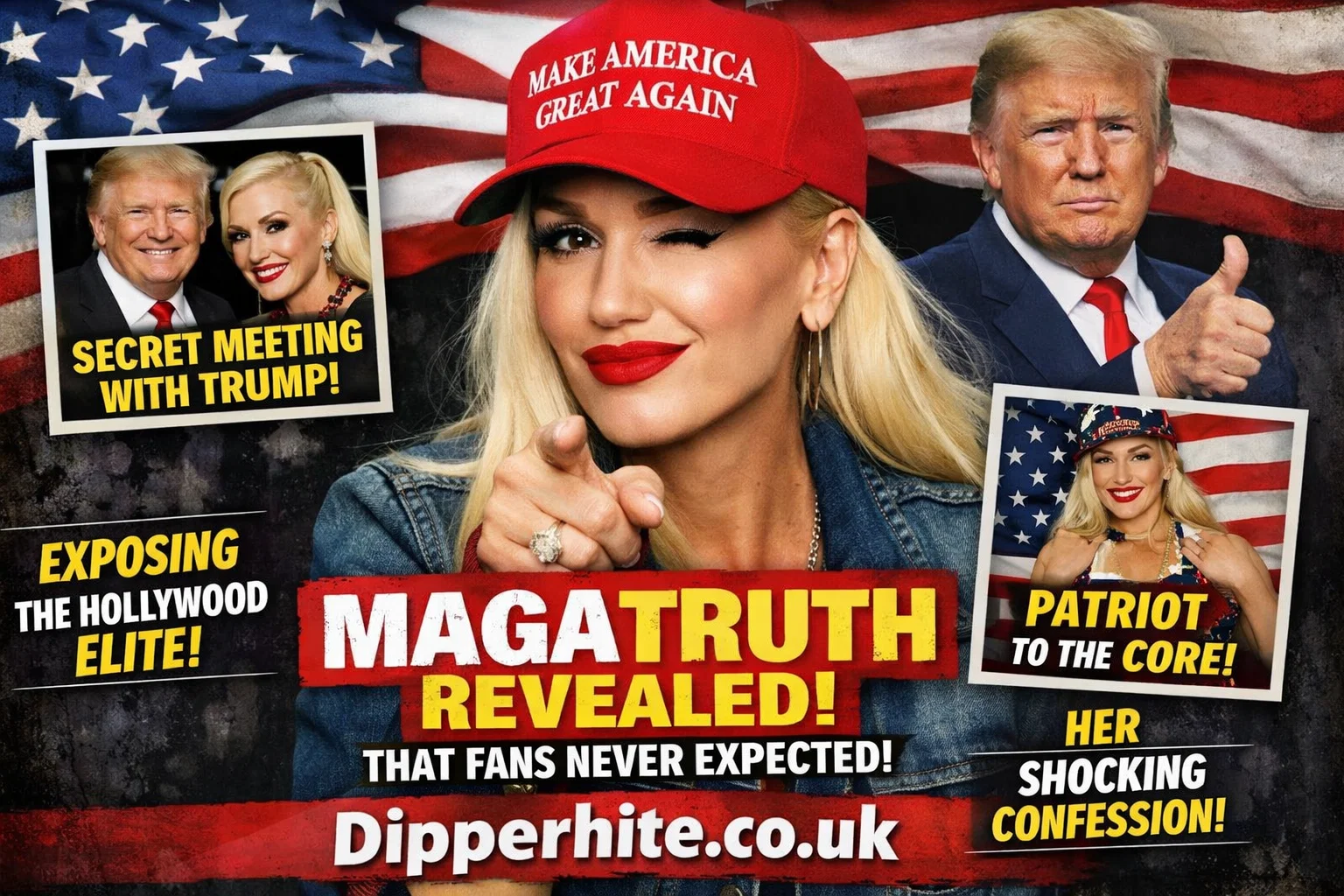
The phrase “gwen stefani maga” has been circulating online for quite some time, sparking curiosity, debate, and sometimes confusion among fans and critics alike. When a globally recognized pop icon like Gwen Stefani becomes associated with a politically charged term, it naturally creates a wave of speculation. People begin asking questions: Is there truth behind the claim? Is it a misunderstanding? Or is it simply a reflection of how quickly narratives spread in today’s digital landscape?
At the heart of this discussion lies a broader cultural phenomenon. Celebrities are no longer just entertainers; they are public figures whose actions, opinions, and even perceived affiliations are scrutinized under a microscope. In the case of “gwen stefani maga,” the conversation isn’t just about one artist—it’s about how audiences interpret celebrity identity, political alignment, and social media signals. Understanding this topic requires looking beyond headlines and diving into the context, the rumors, and the realities shaping the narrative.
The Origins of the Gwen Stefani Maga Discussion
The “gwen stefani maga” conversation didn’t emerge from a single definitive statement or public declaration. Instead, it developed gradually through online chatter, social media posts, and fan speculation. Like many internet-driven topics, it gained traction because people began connecting dots—some real, some imagined—and sharing their interpretations widely.
One of the key factors that fueled this discussion was the broader political climate in the United States, particularly surrounding the slogan “Make America Great Again,” often associated with Donald Trump. As political identities became more visible and polarizing, audiences started paying closer attention to where celebrities might stand. Even subtle cues—such as who they interact with, what they like on social media, or the themes in their work—can quickly become the basis for larger narratives.
In Gwen Stefani’s case, there was no clear, direct endorsement that firmly placed her within any specific political movement. However, her personal life, public appearances, and associations were enough to spark curiosity. The internet thrives on speculation, and once a narrative begins, it often takes on a life of its own. The phrase “gwen stefani maga” became less about confirmed facts and more about ongoing interpretation.
Celebrity Culture and Political Assumptions
It’s important to recognize how celebrity culture shapes the way we interpret political alignment. Fans often feel a personal connection to artists, which can lead to assumptions about shared values. When something challenges those assumptions, it can feel surprising—or even unsettling—to some audiences.
In the case of Gwen Stefani, her long-standing image as a creative, trend-setting artist made her a beloved figure across diverse fan groups. From her days with No Doubt to her solo career, she has consistently reinvented herself, blending music, fashion, and personal expression. Because of this, fans tend to view her through a cultural lens rather than a political one.
However, in today’s environment, separating culture from politics is increasingly difficult. Social media platforms amplify every detail, and fans often analyze even the smallest actions for deeper meaning. This can lead to conclusions that may not fully align with reality. The “gwen stefani maga” narrative highlights how quickly assumptions can form when audiences try to interpret a public figure’s beliefs without clear confirmation.
The Role of Social Media in Shaping Narratives
Social media plays a massive role in how topics like “gwen stefani maga” gain traction. Platforms like Instagram, Twitter, and TikTok allow information—and misinformation—to spread at incredible speed. A single post, comment, or even a “like” can become the foundation for widespread speculation.
What makes this particularly interesting is how narratives evolve. Someone might notice a detail and share it with their followers. Others then add their own interpretations, and before long, a full-blown discussion emerges. In many cases, the original context gets lost along the way. This is not unique to Gwen Stefani; it happens to countless public figures across industries.
For celebrities, this creates a challenging environment. Remaining completely neutral can still lead to assumptions, while speaking out can invite criticism from one side or another. The “gwen stefani maga” conversation is a clear example of how digital culture can shape public perception, sometimes independently of confirmed facts.
Personal Life and Public Perception
Another factor contributing to the “gwen stefani maga” discussion is her personal life, particularly her relationship with Blake Shelton. As a country music star with a different audience demographic, Shelton has occasionally been associated with more conservative-leaning fans. This has led some observers to speculate about shared political views between the two.
However, relationships are complex, and assuming that partners share identical beliefs oversimplifies reality. People can have different perspectives while maintaining strong personal connections. In the world of celebrity culture, though, these nuances are often overlooked in favor of simpler narratives.
Gwen Stefani has largely kept her political views private, choosing instead to focus on her music, fashion ventures, and family life. This lack of explicit commentary leaves room for interpretation, which is exactly what fuels ongoing discussions like “gwen stefani maga.” Without clear statements, audiences are left to piece together their own conclusions.
The Impact on Fans and Public Image
When a topic like “gwen stefani maga” gains momentum, it inevitably affects how fans perceive the artist. Some may feel curious and seek out more information, while others may form strong opinions based on limited evidence. This can lead to divisions within fan communities, where different groups interpret the same information in different ways.
For an artist like Gwen Stefani, whose career spans decades, maintaining a broad and diverse fan base is essential. Controversial or unclear narratives can complicate that dynamic. Even if the claims are unverified, the mere existence of the discussion can influence public perception.
At the same time, it’s worth noting that many fans are becoming more aware of how misinformation spreads. There is a growing recognition that not everything seen online is accurate or complete. This awareness can help balance the impact of speculative narratives, encouraging people to look for credible sources and verified statements.
Why the Conversation Persists
The reason “gwen stefani maga” continues to be a topic of interest is simple: it sits at the intersection of celebrity culture, politics, and social media dynamics. Each of these elements amplifies the others, creating a cycle that keeps the conversation alive.
People are naturally curious about the beliefs of public figures they admire. When those beliefs are not clearly stated, speculation fills the gap. Add in the fast-paced nature of online communication, and you have a perfect environment for ongoing discussion.
Additionally, the broader cultural context plays a role. Political identity has become more visible and, in many cases, more polarizing. As a result, audiences are more likely to look for signs of alignment in all areas of public life, including entertainment. The “gwen stefani maga” narrative reflects this shift, showing how deeply intertwined these spheres have become.
Separating Fact from Speculation
One of the most important aspects of understanding the “gwen stefani maga” topic is learning to distinguish between verified information and speculation. While it’s easy to get caught up in online discussions, it’s crucial to look for direct statements, credible sources, and clear evidence.
As of now, there has been no definitive public declaration from Gwen Stefani that confirms a specific political alignment with the MAGA movement. Much of the conversation is based on interpretation rather than confirmed fact. Recognizing this distinction helps create a more balanced and informed perspective.
This doesn’t mean the discussion is entirely without value. It highlights how audiences engage with celebrity culture and how narratives are formed. However, approaching the topic with a critical mindset ensures that conclusions are based on evidence rather than assumption.
Read More: David Fry Injury Update: The Truth No One Is Talking About
Final Thoughts on Gwen Stefani Maga
The phrase “gwen stefani maga” is a fascinating example of how modern media, culture, and politics intersect. It shows how quickly narratives can develop and how powerful social media can be in shaping public perception. At the same time, it underscores the importance of critical thinking and careful analysis.
Gwen Stefani remains a prominent figure in the music industry, known for her creativity, style, and enduring influence. While discussions about her potential political views may continue, they should be approached with an understanding of the broader context in which they exist.
Ultimately, the “gwen stefani maga” conversation is less about definitive answers and more about the evolving relationship between celebrities and their audiences. It reflects a world where information moves rapidly, interpretations vary widely, and the line between fact and speculation is often blurred. By staying informed and thoughtful, readers can navigate these discussions with clarity and confidence.