











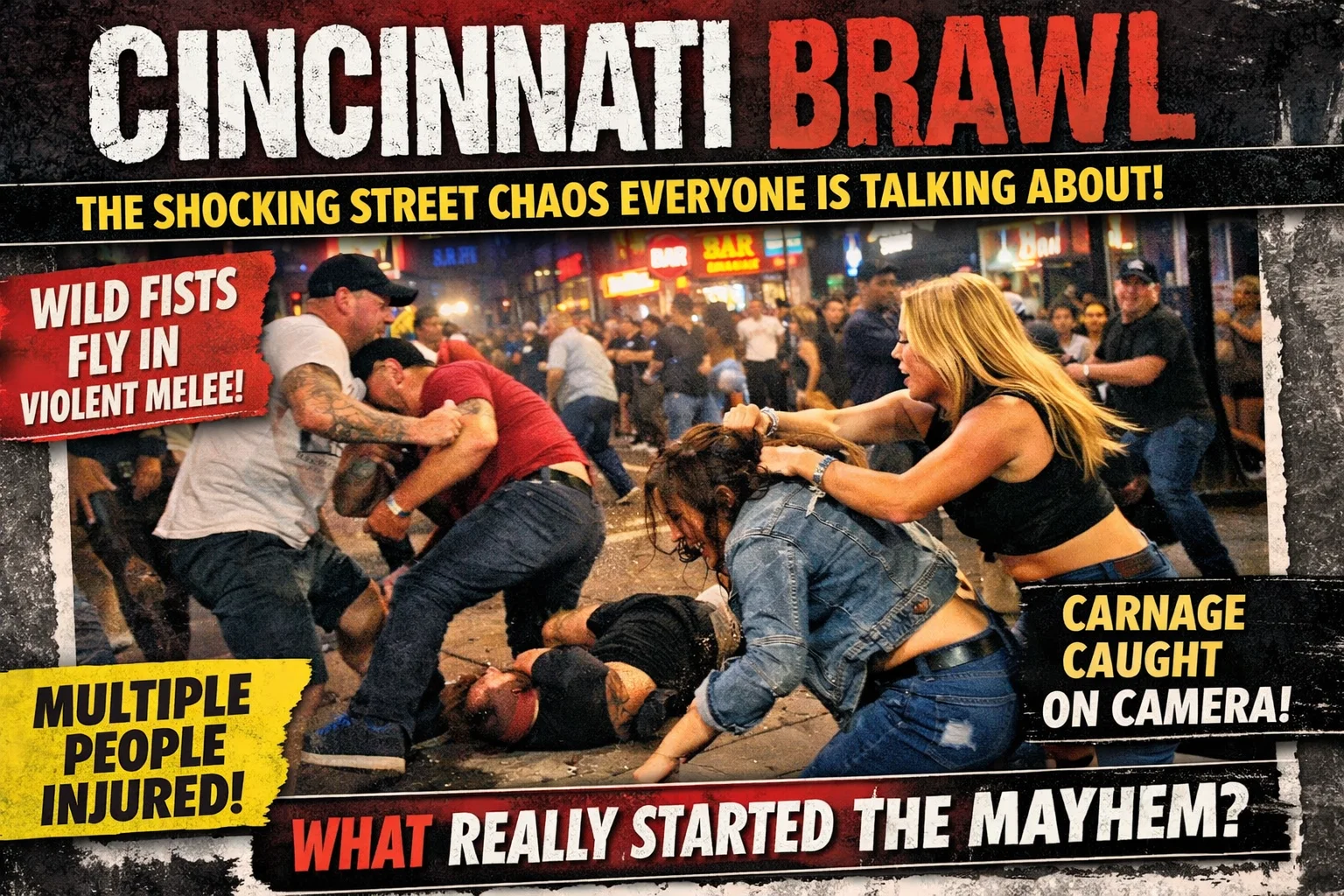
Cincinnati Brawl: The Shocking Street Chaos Everyone Is Talking About
The phrase “cincinnati brawl” has quickly become a widely discussed topic across social media, news outlets, and everyday conversations. Incidents like this tend to capture public attention not just because of the chaos involved, but because they often reflect deeper social issues that people can’t ignore. When a situation escalates into a public confrontation, it raises questions about community safety, personal responsibility, and how conflicts are handled in modern society.
At first glance, the cincinnati brawl may seem like just another fight that got out of hand. But when you look closer, there’s always more beneath the surface. From the environment in which it occurred to the reactions that followed, every detail helps paint a bigger picture. Understanding this event isn’t just about knowing what happened—it’s about recognizing the patterns and behaviors that led to it, and what we can learn moving forward.
The Background Behind the Cincinnati Brawl
Every major altercation has a backstory, and the cincinnati brawl is no exception. Situations like these rarely appear out of nowhere. They usually build over time, fueled by tension, misunderstanding, or even external influences like alcohol or peer pressure. In many cases, what begins as a minor disagreement can quickly spiral into something much larger when emotions take over.
In the case of the cincinnati brawl, reports suggest that the atmosphere leading up to the incident played a significant role. Crowded environments, heightened energy, and a lack of effective conflict management can create the perfect conditions for trouble. When people feel provoked or challenged, especially in a public setting, the pressure to respond can be intense. This dynamic often leads to poor decision-making and rapid escalation.
Another important factor to consider is how group dynamics influence behavior. Individuals may act differently when they are surrounded by others, especially if they feel encouraged or supported by a crowd. The cincinnati brawl highlights how quickly a situation can shift when multiple people become involved, turning a small conflict into a large-scale confrontation.
How the Cincinnati Brawl Unfolded
The sequence of events during the cincinnati brawl is what makes it particularly striking. Witnesses often describe such incidents as unfolding in a matter of moments, with little time for intervention or de-escalation. What might have started as a verbal exchange can quickly turn physical, catching everyone off guard.
During the cincinnati brawl, the escalation appeared rapid and intense. People nearby were either drawn into the situation or forced to step back for safety. This kind of chain reaction is common in public altercations, where the presence of a crowd can both amplify the conflict and complicate efforts to control it. Once physical aggression begins, it becomes much harder to stop without external intervention.
It’s also worth noting how technology plays a role in events like the cincinnati brawl. Many bystanders today instinctively pull out their phones to record what’s happening. While this can help document the incident, it can also contribute to the spread of the event online. Within hours, footage can circulate widely, shaping public perception and sometimes adding pressure on authorities to respond quickly.
Public Reaction to the Cincinnati Brawl
The reaction to the cincinnati brawl was swift and widespread. Social media platforms were flooded with opinions, debates, and speculation. Some people focused on assigning blame, while others expressed concern about safety and the broader implications of such incidents. This kind of response shows how deeply events like this resonate with the public.
One of the most interesting aspects of the response to the cincinnati brawl is how divided opinions can be. Some individuals may see the incident as a reflection of declining public behavior, while others might point to specific circumstances that contributed to the conflict. These differing perspectives highlight the complexity of interpreting such events, especially when information is incomplete or rapidly evolving.
Media coverage also plays a significant role in shaping how the cincinnati brawl is perceived. Headlines, video clips, and commentary can influence the narrative, sometimes emphasizing certain aspects over others. This makes it important for people to approach such stories critically, recognizing that what they see may not always capture the full context.
The Role of Environment in the Cincinnati Brawl
Environment is a key factor in understanding why incidents like the cincinnati brawl occur. Certain settings are more prone to conflict due to the nature of the activities taking place. For example, crowded nightlife areas, large gatherings, or emotionally charged events can increase the likelihood of disagreements escalating.
In the case of the cincinnati brawl, the setting likely contributed to the intensity of the situation. When people are in close proximity and emotions are already heightened, even a small trigger can lead to a significant reaction. This is especially true when there is limited space to move away from conflict or when individuals feel their personal space has been invaded.
Another environmental factor is the presence or absence of authority figures. Security personnel or law enforcement can play a crucial role in preventing situations from escalating. If their presence is limited or delayed, conflicts may have more time to grow unchecked. The cincinnati brawl serves as a reminder of how important it is to have effective measures in place to maintain order in high-risk environments.
Social Dynamics and Human Behavior
To fully understand the cincinnati brawl, it’s essential to consider the human element. People don’t just react to situations—they interpret them based on their emotions, experiences, and perceptions. This means that what one person sees as a minor issue, another might view as a serious threat or insult.
Group behavior is particularly relevant in incidents like the cincinnati brawl. When individuals are part of a crowd, they may feel less personally accountable for their actions. This phenomenon, often referred to as “mob mentality,” can lead to behavior that individuals might not exhibit on their own. It also makes it more difficult to control the situation once it starts.
Emotions such as anger, frustration, and fear can also drive escalation. In the heat of the moment, rational thinking often takes a back seat to instinctive reactions. The cincinnati brawl illustrates how quickly emotions can override judgment, leading to outcomes that could have been avoided with a calmer approach.
The Impact of the Cincinnati Brawl
The effects of the cincinnati brawl extend beyond the immediate incident. For those directly involved, there may be physical injuries, legal consequences, and lasting emotional impact. Even for bystanders, witnessing such an event can be unsettling and may influence how they view similar environments in the future.
On a broader level, the cincinnati brawl can affect the reputation of the area where it occurred. Public perception plays a significant role in how communities are viewed, and incidents like this can shape opinions in lasting ways. This can have implications for local businesses, tourism, and overall community confidence.
There is also a ripple effect when events like the cincinnati brawl gain widespread attention. They often spark conversations about safety, behavior, and the need for better conflict resolution strategies. While the incident itself may be negative, it can lead to positive discussions and potential improvements in how similar situations are handled in the future.
Lessons Learned from the Cincinnati Brawl
Every major incident offers an opportunity to learn, and the cincinnati brawl is no different. One of the most important takeaways is the value of de-escalation. Recognizing when a situation is becoming tense and taking steps to calm it down can prevent it from turning into something more serious.
Another lesson is the importance of personal responsibility. While external factors can influence behavior, individuals still have control over how they respond. The cincinnati brawl serves as a reminder that actions have consequences, and making thoughtful decisions in the moment can make a significant difference.
Community awareness is also crucial. Understanding the factors that contribute to incidents like the cincinnati brawl can help people avoid similar situations. Whether it’s choosing safer environments, staying aware of surroundings, or knowing when to walk away, these small decisions can have a big impact.
Read More: Mississippi DEI Ban BLOCKED: The Shocking Court Order Changing Everything Overnight
Moving Forward After the Cincinnati Brawl
Looking ahead, the focus should be on prevention and improvement. The cincinnati brawl highlights the need for better strategies to manage conflict in public spaces. This could include increased security, improved crowd management, and greater emphasis on communication and de-escalation techniques.
Education also plays a key role. Teaching people how to handle conflict constructively can reduce the likelihood of situations escalating. This isn’t just about formal training—it’s about fostering a culture where respect and understanding are prioritized over confrontation.
Ultimately, the cincinnati brawl is a reminder of how quickly things can spiral out of control. But it also shows that there is room for growth and change. By learning from what happened and taking proactive steps, communities can work toward creating safer and more positive environments for everyone.