











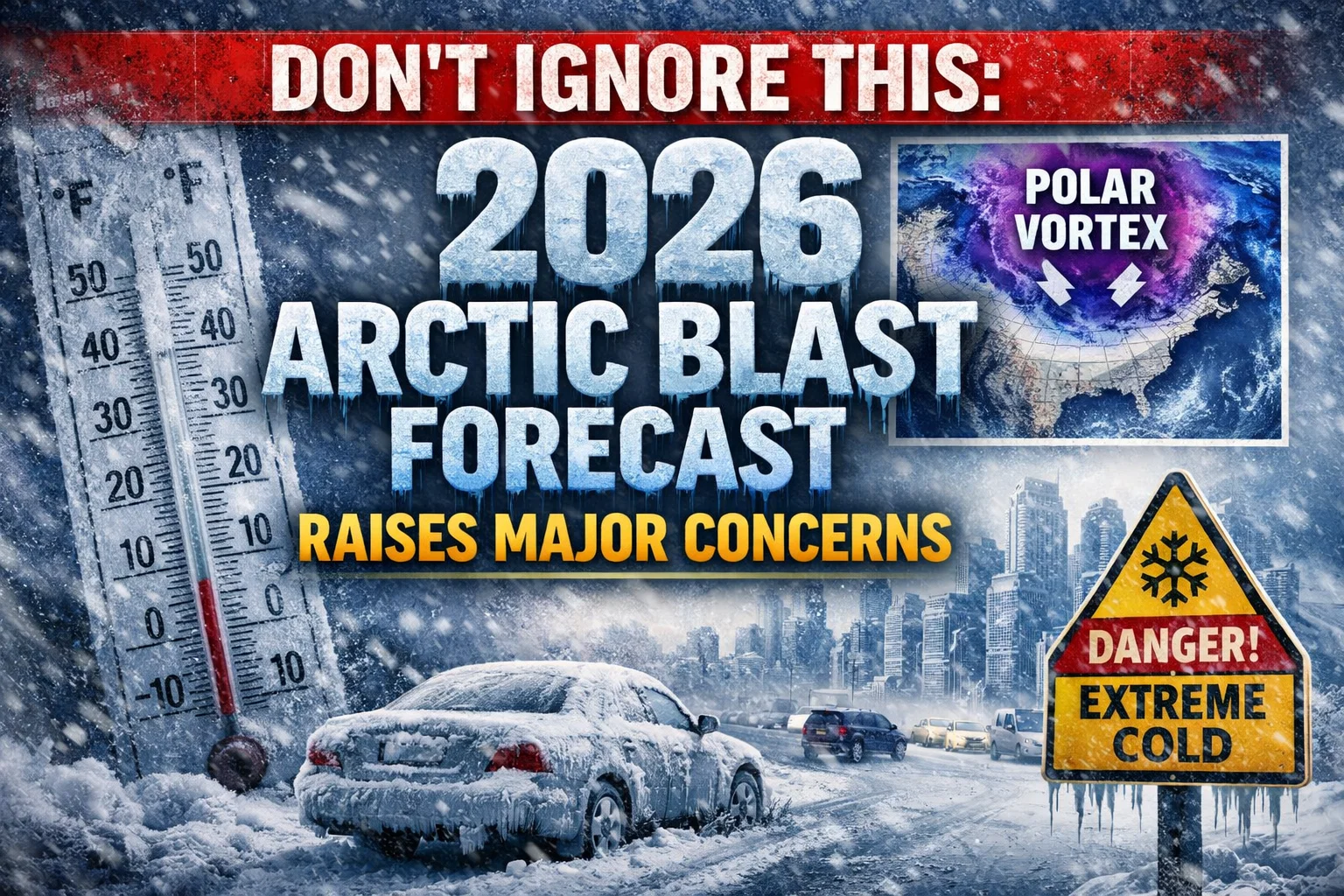
Don’t Ignore This: 2026 Arctic Blast Forecast Raises Major Concerns
The 2026 arctic blast forecast is rapidly becoming one of the most discussed weather topics as meteorologists and climate analysts begin evaluating early indicators for the upcoming winter season. From shifting jet stream patterns to ocean temperature anomalies, several signals suggest that parts of the Northern Hemisphere could experience intense cold spells.
While long-range forecasting always carries uncertainty, the growing attention around the 2026 arctic blast forecast highlights increasing public concern about extreme weather events. This article breaks down the science, predictions, risks, and what it could mean for different regions, helping you stay informed and prepared.
What Is an Arctic Blast and Why It Matters
An arctic blast refers to a sudden surge of extremely cold air from the polar regions that moves southward into populated areas. These events are typically driven by disruptions in the jet stream, allowing freezing air to escape its usual boundaries.
The significance of the 2026 arctic blast forecast lies in its potential impact. Arctic blasts can lead to dangerous wind chills, infrastructure strain, travel disruptions, and increased energy demand, making them a major concern for both governments and households.
Early Indicators Behind the 2026 Arctic Blast Forecast
Meteorologists rely on several global patterns to build a 2026 arctic blast forecast, including sea surface temperatures, polar vortex behavior, and atmospheric pressure systems. Current observations suggest a possible weakening of the polar vortex, which can increase the likelihood of cold air outbreaks.
Another factor contributing to the 2026 arctic blast forecast is the influence of La Niña or neutral ENSO conditions. These climate patterns can shape winter severity by altering storm tracks and temperature distributions across continents.
Regions Most Likely to Be Affected
Based on preliminary models, the 2026 arctic blast forecast indicates that North America, parts of Europe, and northern Asia could see significant cold snaps. The central United States and Canada are often among the hardest-hit areas during such events.
However, the reach of the 2026 arctic blast forecast may extend further south than usual, potentially bringing colder-than-average conditions to regions that typically experience milder winters. This makes preparedness even more critical.
Timeline Expectations for the 2026 Arctic Blast Forecast
Long-range projections suggest that the 2026 arctic blast forecast could materialize in multiple waves rather than a single event. Early winter may bring initial cold surges, followed by more intense outbreaks in mid to late season.
Seasonal forecasting models emphasize variability, meaning the 2026 arctic blast forecast may include periods of relative warmth between extreme cold events. This fluctuation can make planning more challenging for both individuals and industries.
Potential Impacts on Daily Life and Infrastructure
The 2026 arctic blast forecast carries implications for transportation, energy systems, and public safety. Extreme cold can freeze roads, disrupt flights, and strain heating systems, particularly in regions unaccustomed to such temperatures.
In addition, the 2026 arctic blast forecast could lead to higher utility costs and increased demand for emergency services. Communities may need to activate cold weather response plans to protect vulnerable populations.
Climate Change and Its Role in Arctic Blast Patterns
There is ongoing debate among scientists about how climate change influences events like those in the 2026 arctic blast forecast. Some studies suggest that warming in the Arctic may weaken the jet stream, increasing the likelihood of cold air outbreaks.
At the same time, others argue that the relationship is complex and not fully understood. The 2026 arctic blast forecast provides an opportunity to further study how global climate trends interact with regional weather extremes.
Comparison of Key Forecast Factors
| Factor | Influence on Arctic Blast | Current Outlook for 2026 |
|---|---|---|
| Polar Vortex Strength | Weak vortex increases cold outbreaks | Potential weakening observed |
| Jet Stream Pattern | Wavy jet stream allows cold air south | Increased variability expected |
| ENSO Phase | Affects storm tracks and temperature | Neutral/La Niña possible |
| Arctic Warming | May disrupt atmospheric stability | Long-term contributing factor |
This table highlights the core drivers behind the 2026 arctic blast forecast and how they shape predictions.
Expert Insights on the 2026 Arctic Blast Forecast
Weather experts emphasize caution when interpreting long-range predictions. As one climatologist noted, “Seasonal forecasts provide signals, not certainties, but they are valuable for understanding risk trends.”
The 2026 arctic blast forecast should therefore be viewed as a probability-based outlook rather than a guaranteed scenario. Staying updated with short-term forecasts as winter approaches will provide more accurate guidance.
Common Misconceptions About Arctic Blasts
A common misconception is that the 2026 arctic blast forecast guarantees continuous extreme cold throughout the season. In reality, these events are often intermittent and vary in intensity.
Another misunderstanding is that arctic blasts only affect northern regions. The 2026 arctic blast forecast shows that cold air can travel far beyond its origin, impacting millions of people in unexpected areas.
How to Prepare for a Potential Arctic Blast
Preparation is key when considering the 2026 arctic blast forecast. Simple steps such as insulating homes, maintaining heating systems, and stocking emergency supplies can significantly reduce risks.
Communities and businesses should also develop contingency plans. The 2026 arctic blast forecast serves as an early warning to review safety measures and ensure readiness for extreme conditions.
Conclusion
The 2026 arctic blast forecast underscores the importance of understanding and preparing for extreme weather events. While uncertainties remain, early indicators suggest a winter season that could bring notable cold outbreaks across multiple regions.
By staying informed and proactive, individuals and communities can better navigate the challenges associated with the 2026 arctic blast forecast, turning awareness into effective preparedness.
Read More: Jessica Alba Divorce Buzz: Hidden Signs Fans Missed
FAQs
What is the 2026 arctic blast forecast?
The 2026 arctic blast forecast refers to early predictions about potential extreme cold air outbreaks during the 2026 winter season.
How accurate is the 2026 arctic blast forecast?
The 2026 arctic blast forecast is based on long-range models and provides probabilities rather than exact outcomes, so accuracy improves closer to winter.
Which areas will be affected by the 2026 arctic blast forecast?
The 2026 arctic blast forecast suggests impacts in North America, Europe, and parts of Asia, though exact regions may vary.
Can the 2026 arctic blast forecast change?
Yes, the 2026 arctic blast forecast can evolve as new data becomes available, making regular updates essential.
How can I prepare for the 2026 arctic blast forecast?
Preparing for the 2026 arctic blast forecast involves insulating homes, monitoring weather updates, and having emergency supplies ready.
Does climate change affect the 2026 arctic blast forecast?
Climate change may influence patterns related to the 2026 arctic blast forecast, though the exact relationship is still being studied.